Kyndryl brand standards
Video and motion
Overview
Keeping a consistent brand image in videos is vital for building trust and credibility, which enhances recognition and strengthens brand recall. It creates a reliable and professional image, making it easier for viewers to identify our content and remember our brand. A cohesive brand identity fosters emotional connections, reinforces brand values, and supports cross-platform marketing.
By maintaining a unified brand identity across all our video content, we can cultivate lasting relationships with customers and drive the success of our business.
Note
All externally facing videos must be developed in partnership with the Brand Studio or The Lab. Contact Nathan Cook (Brand Studio) or Byron Gatt (The Lab) before starting a project. We are here to help guide.
Our philosophy
At Kyndryl, we prioritize authenticity and clarity across our video content.

Authenticity
Authenticity is at the heart of our video content. We focus on real people and honest stories — capturing genuine personalities and experiences that feel human and relatable.
Clarity
Great videos don’t rely on flash — they rely on substance. Strong writing, compelling visuals, and intentional editing work together to clearly deliver the message and leave a lasting impression.
Our approach
We customize our approach for every video project. We collaborate closely with stakeholders to create videos that reflect our values and resonate with our audience — whether that’s through an emotional story or a bold, promotional moment.
Pre-production
Authentic storytelling starts in pre‑production. This section offers an in‑depth look at our background and staging guidelines and should be considered the standard foundation for all projects.
Location, set selection and design
Sets are best selected rather than designed. Whenever possible, we film on location or in a studio with real backdrops, helping to ground subjects in a real, physical space. Set design is only used if no suitable set exists in the real world or in a usable filming location.
Background
The background of the set should be well lit, primarily white and airy, and with only subtle touches of greenery (if used). The goal is for our background to be as nondescript as possible, helping to draw the eye to the speaker in the foreground. Since we strive to capture the real world that our subjects live and work in, we do not use green screens, Kyndryl banners, artificial brand placement or other branded framing devices.
Bring us into the space. Show the simple beauty of the environment you are in with small details and grand wide shots. Feel free to experiment with bold framing, symmetry and depth.
Misuse examples in pre-production
- Do not film in front of our logo.
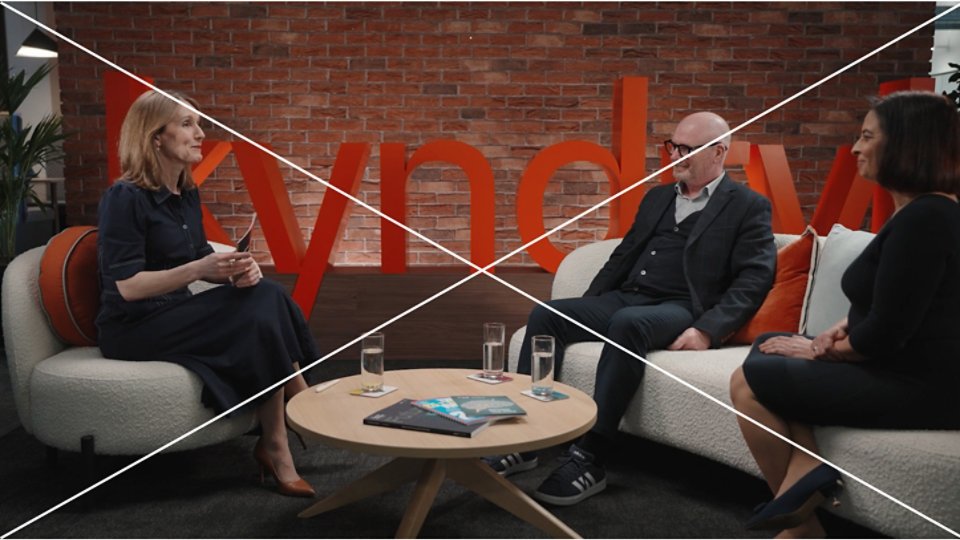
Do not film in front of a 3D environmental logo
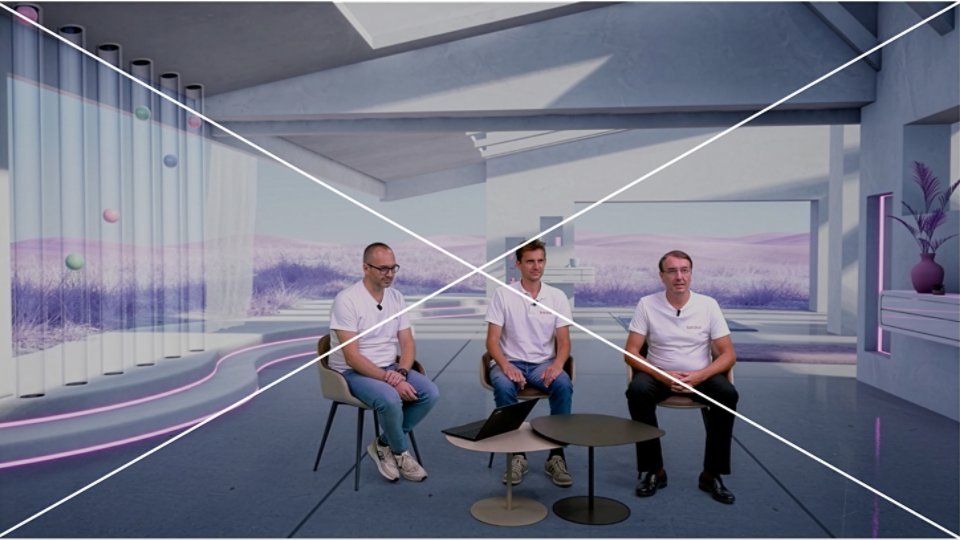
- Do not use a green screen.
- Avoid using dark or colored backgrounds.
- Avoid filming in an abstract or artsy space.
- Avoid overly staging the shot or using too much greenery.
- Do not add banners or place products in the shot.
Wardrobe colors and clothing selection
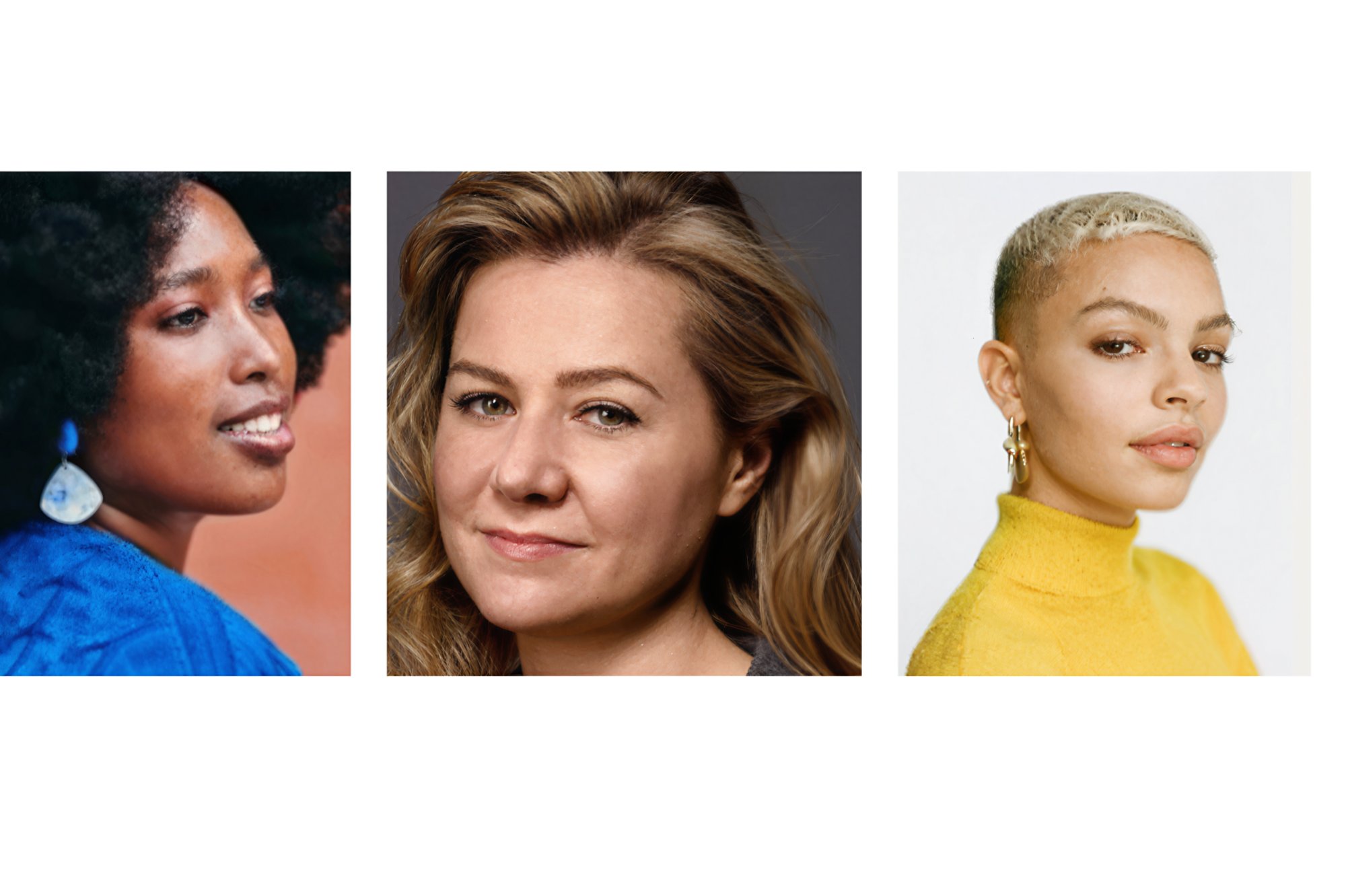
Our color palette is flexible, allowing us to meet all expressions and use cases. In all cases, consider the background color and the subject’s hair color as part of the overall palette when planning staging and wardrobe.
We don’t provide or prescribe clothing — subjects should feel comfortable and encouraged to dress as they normally would. To keep the look cohesive, simply be mindful of how hair color and wardrobe interact, and choose complementary palette colors for the environment to avoid visual clashes.

Wardrobe colors
Our wardrobe colors include white, Cloud, Earth, Deep Forest, Sky, Spruce and Warm Red. A few sample combinations are shown to the left.
Accessories
Clothing selection should be modern and simplistic, including only the personal accessories that the subject normally wears. For example, if the subject doesn’t wear jewelry in their day-to-day lives, don’t ask them to wear jewelry for the shoot.
Makeup
When it comes to the subject’s makeup, make sure the final look is always polished and “natural.” The goal is to frame the subject’s face, add vibrancy and accentuate their natural appearance — not to alter it.
Production
Capturing authentic personalities and telling dynamic stories requires certain framing and videography techniques. This section offers an in-depth look at our framing and videography guidelines and should be considered the default for all projects apart from customer success stories.
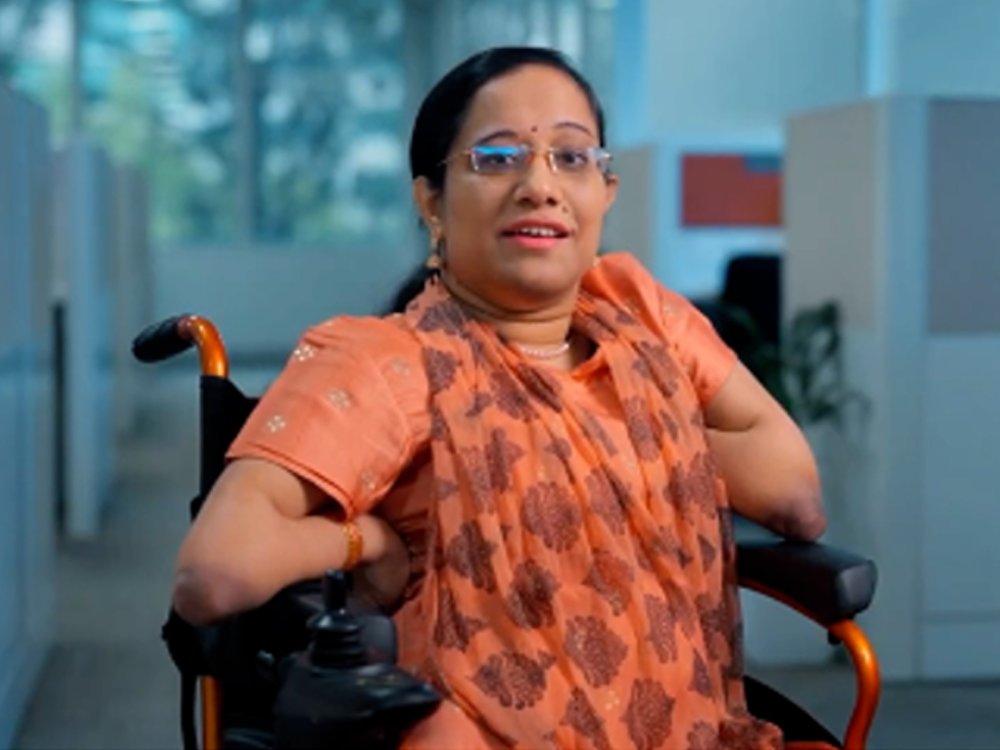
Video framing and shooting guidelines
As with all of our visual guidelines, production should be kept to a minimum, allowing the natural movement of the subject and the authenticity of their story to lead. Focus on flattering, thoughtful framing — avoid bunched clothing, clashing colors or rigid positioning. Subjects should feel relaxed and comfortable, seated naturally in whatever position feels right to them.
Keep the space between the subject and the camera open; avoid placing objects like desks in between, as they can disrupt the sense of direct, face‑to‑face connection. Use a shallow depth of field and align the subject’s eyeline using the vertical rule of thirds. Light the scene with a large diffusion source that gently wraps around the subject, creating a soft, organic feel with gradual, balanced shadows. Pair this with minimal — or no — top light, depending on the environment, to maintain a natural look.
Aim for clean, well‑balanced compositions, make the most of available natural light, and don’t be afraid to move in closer. Embrace fluidity in both framing and movement to create an intimate, human result.
Depending on the video type and its intended use, we may use up to three cameras to capture footage. We'll walk through the differences between the A-Cam, B-Cam, and C-Cam shortly, but here are a few key principles to keep in mind regardless of which camera you are using.
- Keep the camera at eye level
- Always ensure the subject’s face is clearly visible in frame
- Use the subject's eyes as the focal point, positioning them along the upper two-thirds of the frame, regardless of framing
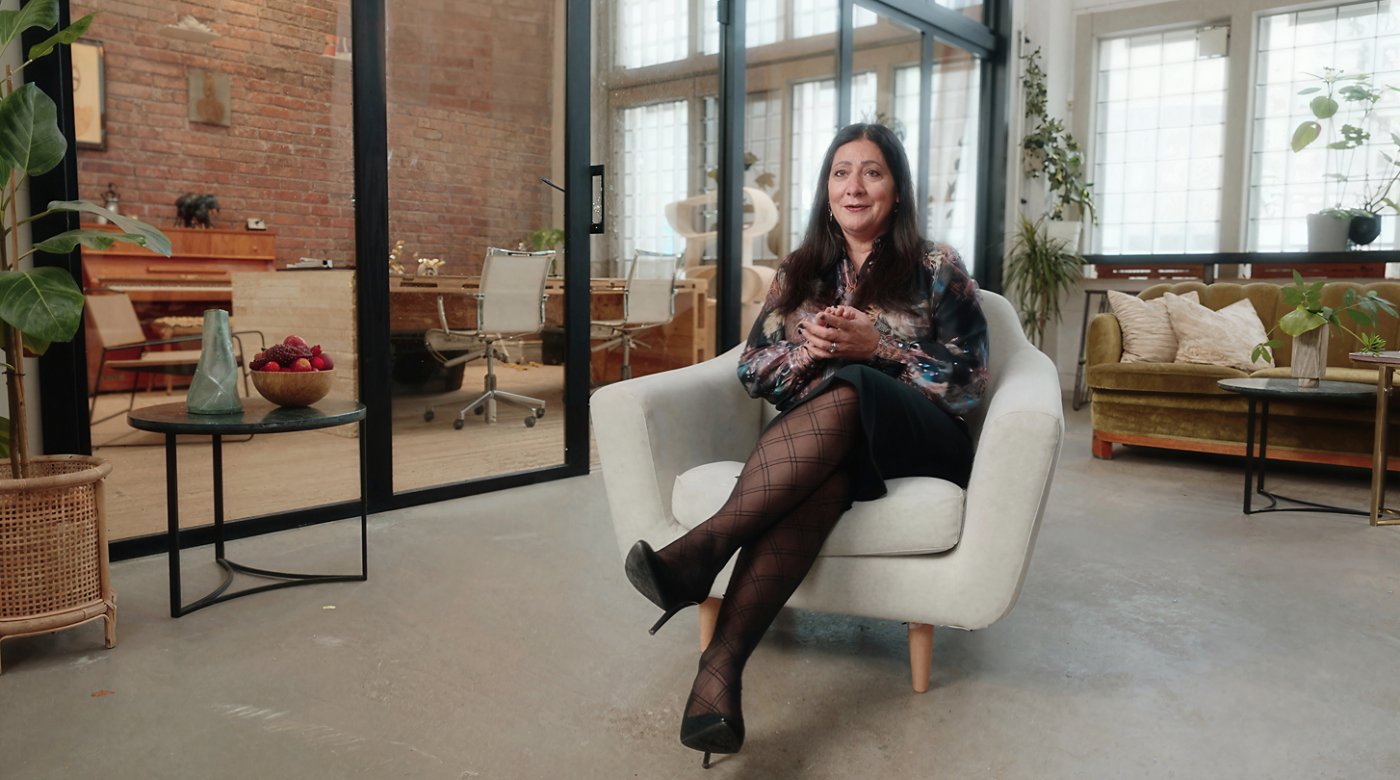
C-Cam
C‑Cam establishes the setting using a wide or ultra‑wide shot, with more flexibility in depth of field. Unlike traditional establishing shots, this camera remains at eye level — never looking up or down at the subject. As with B‑Cam, shoot from the fill/shadow side. Be mindful of the environment and avoid revealing production elements or distracting objects. The goal is to make the scene feel authentic and lived‑in, not staged for a shoot.
Video framing and shooting misuse
- Avoid posing the subject in an awkward or overly. staged position
- Avoid using heavy shadows and overly intense top light.
- Avoid styling that makes the subject appear unkempt or uncomfortable.
- Do not break from the vertical rule of thirds.
- Avoid overdoing shading or shadows.
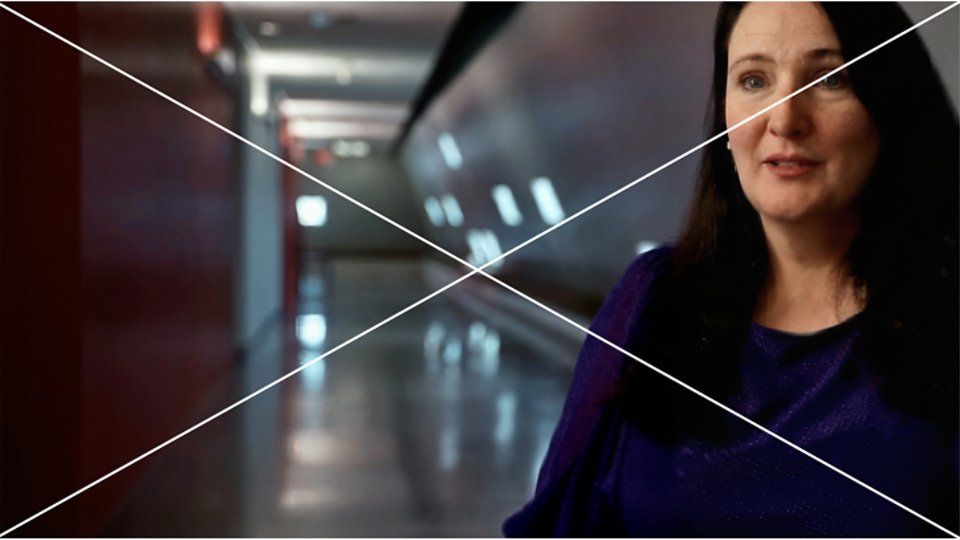
Exposure
Any exposure adjustments should be made thoughtfully, with the goal of preserving Kyndryl’s authentic tone and mood.
01
Brightness
Adjust brightness sparingly — only when needed to balance the lighting in captured footage that cannot be reshot under ideal conditions.
02
Contrast
We are shooting real stories with real people, so avoid overusing contrast. Too much contrast can introduce a staged look that works against the authentic look and feel we're aiming for.
03
Highlights
Avoid strong highlights and heavy post-production shadows. This isn't a photo shoot and our subjects aren't actors or models. The goal is to present people as they are — natural, genuine and minimally edited.
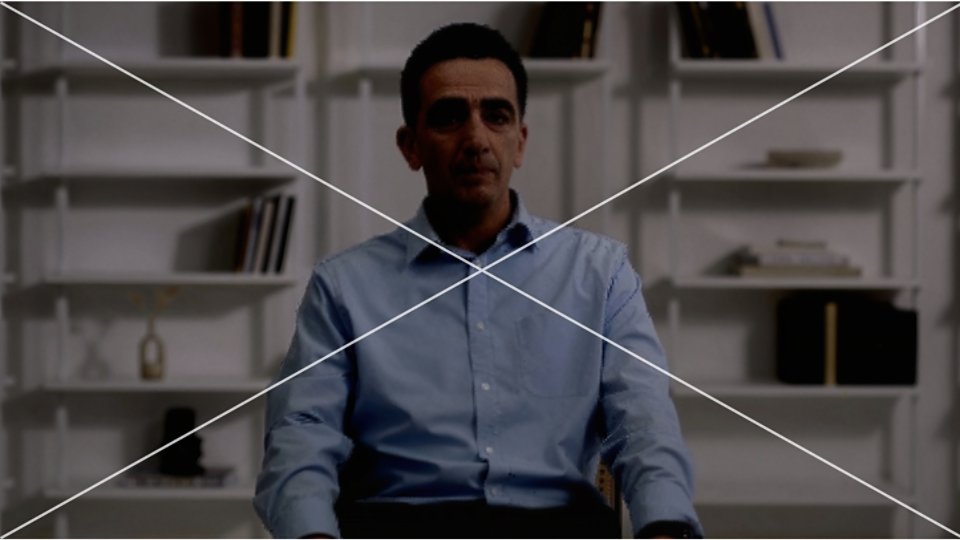
Exposure misuse
- Avoid adding artistic or overly stylized highlights or shadows.
- Avoid raising or lowering contrast to affect the tone or mood.
Luma
While exposure applies to the image as a whole, luma refers to specific tonal values within the image. The guidance remains the same: adjust sparingly and only when necessary to improve overall quality and preserve authenticity. Hue, saturation, and luminosity should rarely — if ever — be altered. The primary exception is when filming conditions require subtle adjustments to maintain the intended tone and mood of the visual.
Video specs
Clear, consistent video specifications help ensure the level of quality we expect across all Kyndryl creative work. Standardizing specs also makes it easier to curate and combine videos across different formats and use cases, while maintaining a cohesive brand look and experience.
Camera specs
As noted earlier, most of our videos at Kyndryl follow a three‑camera approach. The guidelines below apply to all cameras in production, whether you’re shooting with a single camera (such as for B‑roll) or multiple cameras:
- Aspect ratio (AR): 16:9
- Resolution: 4K UHD
- Frame rate (FPS):
- 24 FPS (A‑roll)
- 24–32 FPS (B‑roll, standard)
- 48+ FPS (B‑roll, slow motion)
Portrait hero shots
When filming portrait hero shots, focus on the people directly impacted by a Kyndryl solution. For example, in a manufacturing customer success story centered on increased production capacity, a portrait of a line worker is more meaningful than one of a CEO. The goal is to highlight authentic, human impact — not hierarchy.

B-roll
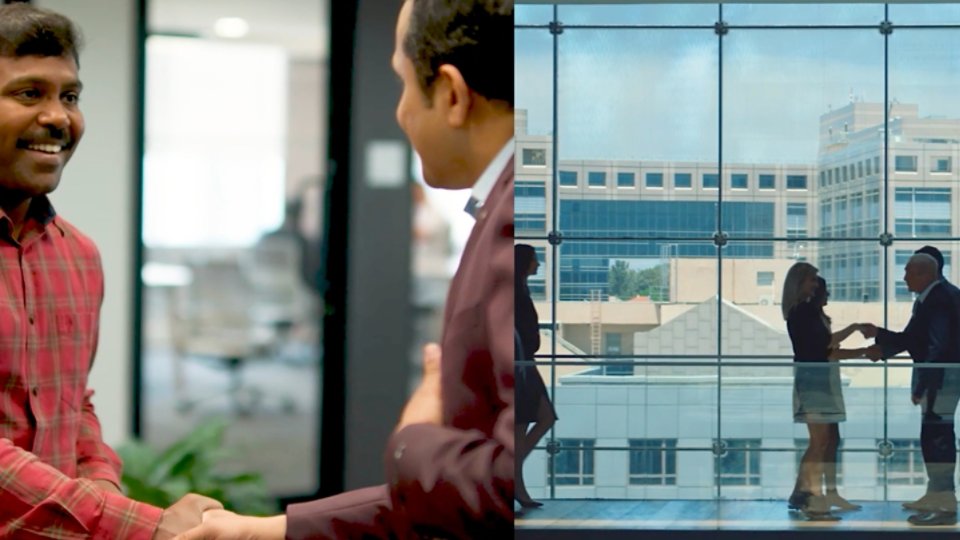
Common B-roll
Use B-roll as an opportunity to elevate your story by capturing moments that are an extension of your narrative. Before filming, think about where the B-roll will fit into your narrative and how best to visually represent that point in the story. Focus on showing authentic human moments like conversations and thoughtful reflection. When filming people working, try to make sure to shoot in clean, well-balanced compositions.
The following guidelines detail the standards for common B-roll:
- Avoid behind-the-scenes production shots
- Avoid shots of people wearing masks
- Avoid drone shots; keep the focus on people
- Keep camera smooth and focused (avoid shaky cam)
- Avoid blurred focus, or shooting through glass
- Keep production work out of sight
- Keep it candid (avoid forced laughter or posing)
- Pick a subject and stick to it, minimizing pans and tilts
- Shoot at eye level and show professional/work contexts when relevant
- Use stock video sparingly, only with purpose and/or as a backdrop for supporting graphics
- Never use or alter any advertising creative without expressed approval from Corporate Advertising. This creative has limited use and rights fees.
Slow-motion B-roll
For slow-motion B-roll, follow the same guidelines as common B-roll. In addition, shoot in 4K UHD at 30, 48 or 60 FPS for playback at 24 FPS.
Follow-along B-roll
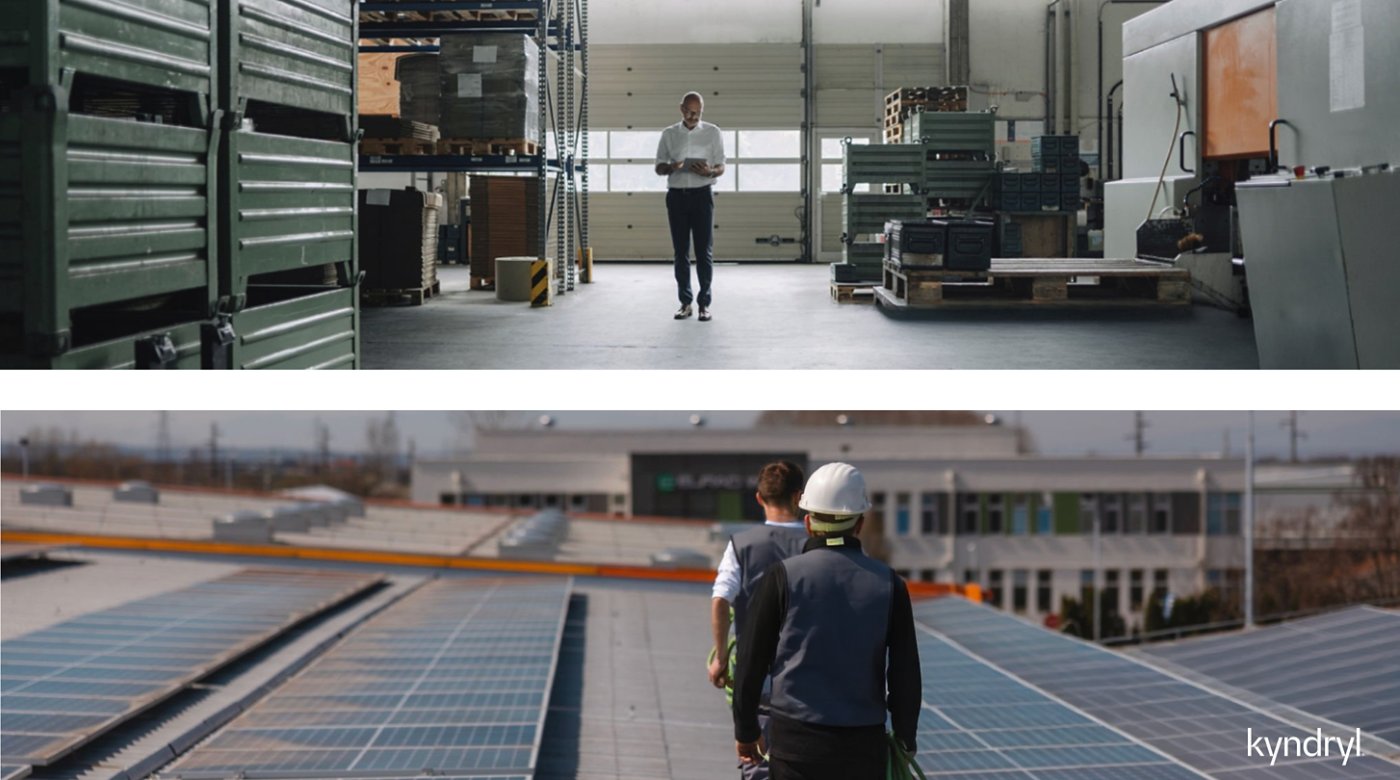
Follow‑along B‑roll is a key visual motif across all customer stories. When capturing this type of footage, look for natural moments — such as people arriving at work, walking through the lobby, or moving through hallways — that reflect a genuine day‑in‑the‑life experience. These moments should feel specific to the subject, capturing candid, relatable human interactions.
As long as the shots aren’t staged as hero walks or entourage moments, the filming approach can remain flexible. Handheld and dolly shots are both appropriate — just be sure to stay consistent in your approach across scenes.

B-roll misuse
- Do not frame shots without a clearly defined subject.
- Avoid filming people looking miserable, tired, eating or on their devices rather than interacting with each other.
- Avoid overly staging or posing the subjects.
- Avoid showing set production work.
- Avoid capturing unintentional behind-the-scenes footage.
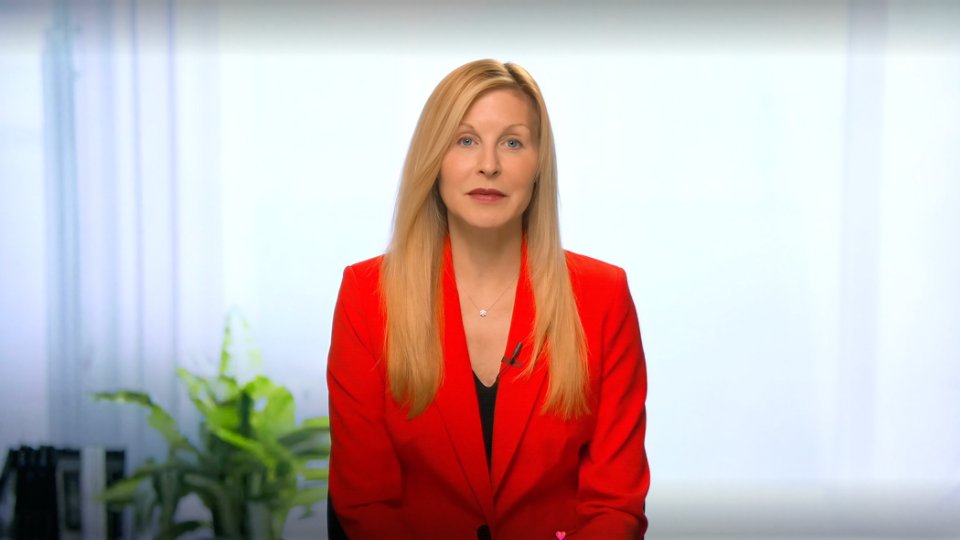
Remote recording guidance
For helpful tips and best practices on remote recording, explore the in‑depth guidance linked below.
Post-production
At Kyndryl, our post‑production guidelines reflect a simple philosophy: show, don’t tell. Today’s audiences don’t want to read about profits and margins — they want to experience real success stories through compelling narratives and social proof, told by people just like them. We focus on truthfully told stories that can stand on their own, keeping real people at the center. If a story can’t carry itself authentically, it doesn’t meet our standards.
The guidelines below help ensure our narratives maintain momentum and deliver multiple moments of impact, while preserving the authenticity that defines our video approach.
General editing
Narrative storytelling should sit at the core of every video. Editing should enhance the story — not create it. Strong stories emerge through thoughtful pacing, purposeful structure and restraint. The edit is where we begin shaping what’s already there into something clear, dynamic and meaningful.
Unless otherwise specified for your project, all Kyndryl videos should follow these editing guidelines:
- Use only approved MOGRTs (Motion Graphics templates)
- Follow music guidelines
- Do not remove natural “um” or “uhs" — let speakers sound human
- Avoid adding animations or illustrations
- Maintain pace and energy throughout the video
Audio editing and mixing
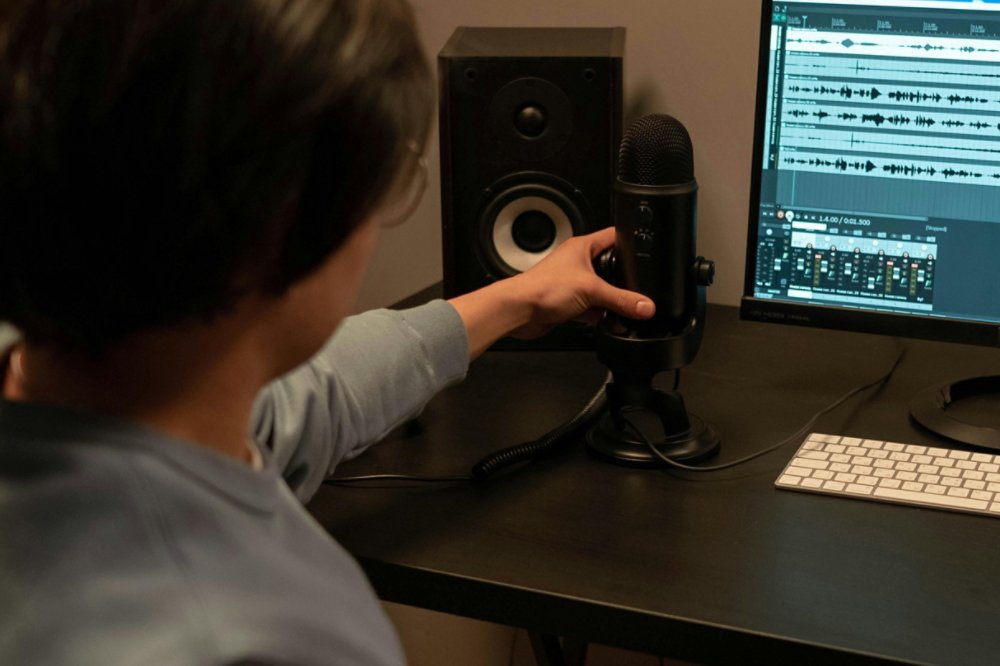
At Kyndryl, we prioritize clean, balanced audio that centers the voice of the customer, SME, or executive. When music is used, it should subtly support the story — adding rhythm and filling space without overpowering spoken words. We recommend understated instrumental tracks and avoiding anything busy or distracting.
We never use artificial sound effects. All audio should be recorded on location whenever possible, capturing the natural sound of the environment and helping the story feel grounded and genuine.
Audio editing and mixing misuse
- Avoid distorting or peaking audio.
- Avoid pitching vocals.
- Avoid filtering vocals.

Stock video
Visual storytelling is essential to effective brand communication, and stock footage can play a supporting role when needed. When selecting stock, prioritize clean, bright visuals with airy neutrals and earthy greens that align with our visual style. When people appear on screen, look for natural movement, authentic body language, and varied perspectives that feel human and relatable.
Note: Stock video should only be used when Kyndryl‑provided B‑roll is unavailable or does not adequately reflect the story being told.
Stock video misuse
- Avoid using CGI.
- Avoid using animated stock clips.
- Avoid staging.
- Avoid forced or exaggerated emotion.

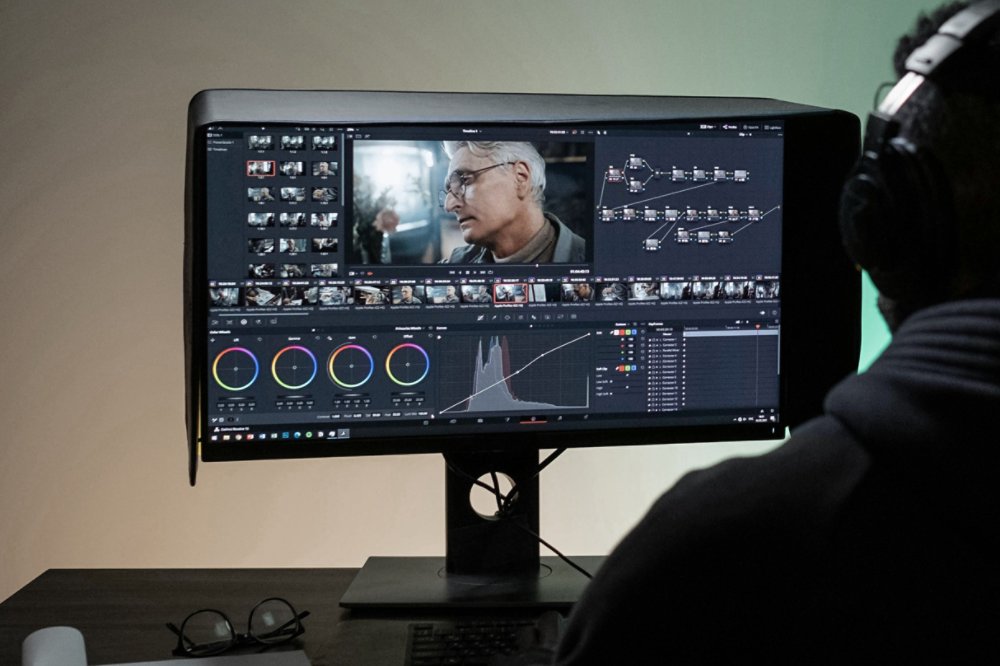
Color
From motion backgrounds to makeup, color helps create a professional yet personable look that reflects Kyndryl’s boldness and forward‑thinking optimism. In video, color plays a key role in conveying warmth, energy, and passion across our visual portfolio.
While color use may vary by use case, always follow the guidelines specific to each application and avoid deviations without direct approval.
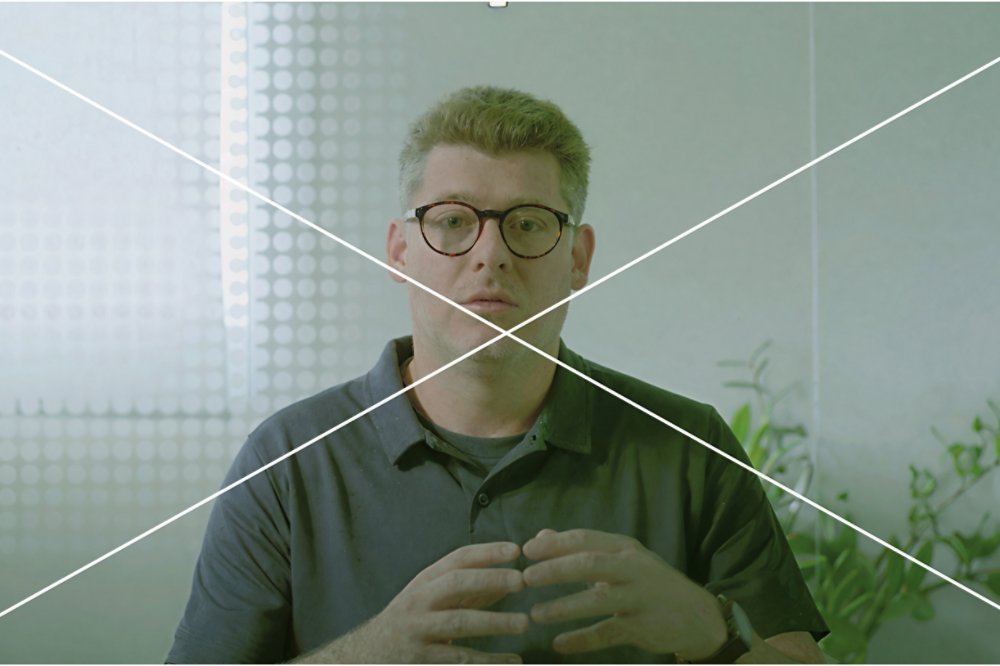
Color misuse
- Avoid creating an unnatural appearance through color grading.
- Avoid changing the look and feel through color grading.
- Avoid using a filter of any kind for any reason.
- Avoid overemphasizing certain colors.
Video length
Timing is a crucial element of motion and is considered a visual element within filmmaking here at Kyndryl. Modern viewers have a short attention span — they want their information served in a quick, accurate and compelling way, with timing that seamlessly supports storytelling and visual elements. The guidelines below outline the methods we use to support our visual elements with complementary timing. Although there are no existing templates, these rules should help to remove the guesswork from the editing process. Do not deviate from these guidelines without direct approval.
The Hot Start: First ten seconds
Open a story with the most compelling content to captivate and wow the audience right from the start. The first ten seconds of any video should be memorable and engaging, establishing the viewer’s faith in your ability to deliver a video that will be worth their time.
Maximum video length: Three minutes
At Kyndryl, our goal is to produce quick, precise and direct videos that leave an impact on our viewers with the least possible imposition on their time. Our data shows a 60% drop in engagement for videos that go longer than three minutes. For this reason, each Kyndryl video must be shorter than three minutes in total, including all intros, outros and music. The final product, all parts considered, should be no longer than 180 seconds from file start to finish.
Motion graphics templates
For our Kyndryl motion graphics templates (MOGRTs) and guidance around how to use them, explore our dedicated MOGRTs page.
Deliverables and handoff process
Deliverables are the files, items and other final products to be produced and delivered to Kyndryl to wrap up a project. To keep the wrap-up process simple and straightforward, we’ve assembled a list of what we need and compiled guidelines for how to provide them to us. It’s our hope that this list will empower your team to keep the process moving quickly and reduce delays by providing a crystal-clear view of our requirements and requests.
The following guidelines govern how quotes are provided, workloads are scoped, assets are produced, and final packages or demand kits are delivered. Unless explicitly stated otherwise by the Kyndryl Content House, all items listed below must be delivered exactly as specified.
01
Subtitles and closed captions
At Kyndryl, we prioritize accessibility across all content. Closed captions (CC) are provided on all digital videos using VTT files. Subtitles should never be burned in — request explicit approval before pursuing that option.
02
Promotional limitations
Do not use Kyndryl branding, elements, or assets in non‑Kyndryl projects. If you’d like to use a finished video for promotional purposes, contact the Kyndryl Content House (The Lab). If approved, they will share the appropriate publication details.
03
Handoff and file transfer
All files must be delivered using an established file‑transfer process. Requirements may vary by production partner, project or service agreement. Coordinate with the Kyndryl Content House (The Lab) to confirm the correct transfer protocol before submitting any deliverables.
Mandatory deliverables
The following deliverables are required for all projects. This list is universal and applies in all circumstances unless specifically instructed otherwise by the Kyndryl Content House.
Localization Master
A clean version without text-based graphics
- H.264 MP4 HiBand
- ProRes 422
- 1920×1080
- Native frame rate
- Audio stems
- Source files (demand varies; check with Content House)
ProRes Master
We work hand-in-hand with customers and our strategic partners to run and transform their essential systems.
- H.264 MP4 HiBand
- ProRes 422
- 1920×1080
- Native frame rate
- Uncompressed audio
Localization Master
Playable Review Link
For external reviews with link-based access
- A single, password-protected link to the video
- No downloading or commenting privileges
- No slates, countdowns or beeps
Localization Master
B-Roll String out
Raw footage of usable B-roll for future projects
- ProRes 422
- 1920×1080
- Native frame rate
- Ungraded, raw footage
Localization Master
Licensing Info
Talent releases, music licensing and any other applicable releases
- Do not use SRTs
Localization Master
Audio Stems
Separate files for mix, effects and dialogue
- Uncompressed AIFF or WAV files
Localization Master
MP4 HiBand
- VBR 2-pass, 20–40 Mbps
- 1920×1080
- Audio 320 Kbps
Localization Master
Captions
- All captions are delivered as VTTs; do not use SRTs
Note
Any and all video files must be archived for at least four years after its creation.
The Kyndryl Events Team will occasionally ask for content to be delivered in 4K when building toward large-format viewings. Do not deliver content in 4K unless asked.

